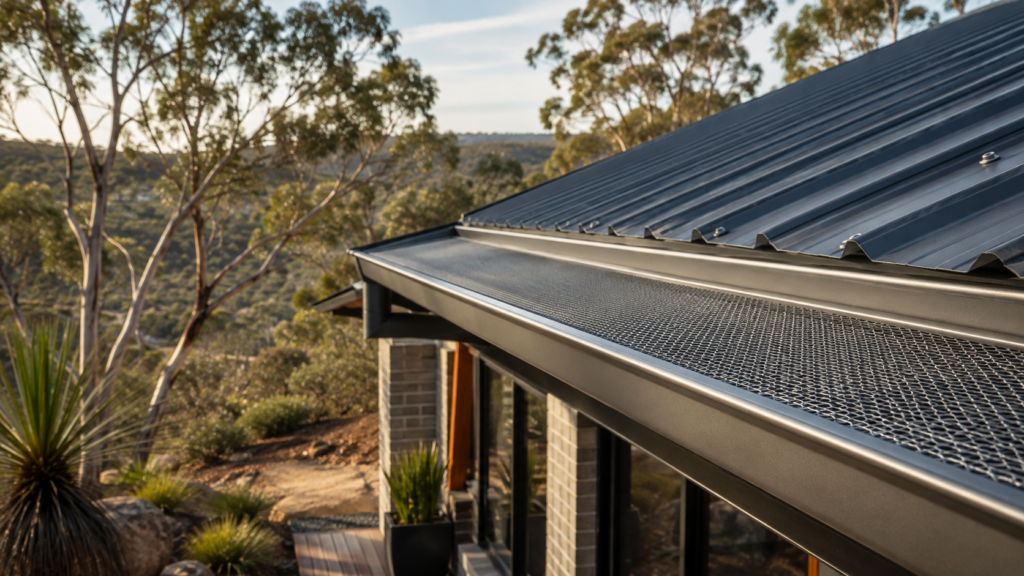
Roof drainage systems can become vulnerable when leaves, twigs and other debris are allowed to collect around gutters and valleys. Installing an aluminium gutter guard may help reduce the amount of loose material entering the system while allowing rainwater to move towards downpipes. Material quality and opening size also influence performance, which is why aluminium mesh is often considered for properties needing a durable and low-maintenance barrier. In areas exposed to ember attack, ordinary debris control may not be enough. A properly selected bushfire mesh can form part of a broader property protection plan when it is installed correctly and suited to local conditions.
Gutter protection is not simply about reducing cleaning. It can also help property owners manage water flow, prevent blockages and lower the amount of dry material sitting close to the roofline. These factors become particularly important in regions where hot summers, surrounding vegetation and seasonal fire conditions create additional maintenance demands.
Understand Where Roof Debris Collects
Before selecting any protective system, the roof should be assessed to identify the areas most likely to trap debris. Gutters beneath large trees, internal valleys, roof corners and sections near overhanging branches often require the most attention.
Different types of debris can create different problems. Large leaves may sit on top of a barrier and eventually blow away, while fine needles, seed pods and small fragments can settle into narrow gaps. If the system is not suited to the surrounding vegetation, regular cleaning may still be required.
The roof pitch also affects how materials move. A steep surface may shed leaves more easily, while flatter sections can allow debris to remain in place. Rainwater volume, gutter width and downpipe placement should also be considered because a barrier must allow enough water to enter the drainage system during heavy rainfall.
A detailed inspection can help identify whether the main issue is leaf build-up, bird activity, pest access or exposure to airborne embers. This makes it easier to choose a solution based on the actual property rather than relying on a standard approach.
Choose Materials for Long-Term Exposure
Any product installed along the roofline will be exposed to sunlight, wind, rain and changing temperatures. Coastal properties may also face salt exposure, while homes near trees can experience scratches and movement caused by branches.
The selected material should be compatible with the roof and gutter components. Mixing unsuitable metals can sometimes contribute to deterioration, particularly where water remains in contact with both surfaces. Property owners should seek advice when the existing roof material, fasteners or drainage components are uncertain.
A strong barrier should remain securely attached without creating unnecessary stress on roof tiles or sheet metal. Poorly fitted sections can lift during high winds, create openings for debris or interfere with water flow.
The coating and finish may also influence durability. A high-quality surface treatment can help protect the material and maintain its appearance, especially when the barrier remains visible from the ground.
Consider Ember Protection Separately
Leaf control and ember protection are related, but they are not always the same requirement. A system designed mainly to stop large leaves may have openings that are still too wide for fine airborne material.
During a bushfire, wind can carry burning fragments over significant distances. These fragments may enter roof cavities, settle inside gutters or become trapped against dry debris. Reducing accessible gaps around vulnerable parts of the building can therefore be an important part of preparation.
The mesh opening, installation method and coverage area all need to suit the intended purpose. Roof valleys, vents, gaps beneath roofing materials and other openings may require separate attention. Protecting the gutters alone does not address every possible entry point.
Local building requirements and bushfire planning advice should be checked before installation. Properties in higher-risk areas may need products that meet specific performance expectations, and professional assessment can help confirm what is appropriate.
Maintain Water Flow
A protective barrier should not prevent the gutter from doing its main job. During heavy rain, water needs to pass through the surface quickly enough to avoid overflowing along the roof edge.
Fine mesh can provide greater protection from small debris, but it may require careful installation and occasional cleaning to prevent surface build-up. Leaves that remain wet can form a layer over the openings, particularly in shaded locations.
The angle of the installed barrier can affect how easily material moves away. A system that follows the roofline may allow leaves to slide or blow off, while a flat surface can hold more debris.
Downpipes should remain accessible for inspection. Even when the gutters are covered, small particles can enter the drainage system over time. Checking outlets after storms or periods of heavy leaf fall can help identify developing blockages before water begins to back up.
Plan for Ongoing Maintenance
No roof protection product should be treated as completely maintenance-free. The main benefit is usually reduced build-up and easier management rather than the permanent elimination of cleaning.
Inspections should be carried out at appropriate intervals based on the surrounding environment. Homes beneath dense tree cover may need more frequent checks than properties in open suburban areas. Extra attention may also be required before summer and after major storms.
Safe access is essential. Roof work can involve falls, unstable surfaces and contact with electrical hazards. Where inspection cannot be completed safely from the ground, a qualified professional should be engaged.
During maintenance, the barrier should be checked for loose sections, corrosion, trapped material and signs of water overflow. Early repairs can prevent small gaps from becoming larger problems.
Support a Broader Property Safety Plan
Roof and gutter protection should be considered alongside other practical measures. Managing vegetation near the building, clearing loose material from outdoor areas and maintaining accessible drainage points can all support safer property care.
Branches that touch or overhang the roof may continue to deposit debris even after a barrier is installed. Responsible pruning can reduce this problem, although tree work should be completed in line with local rules and safe practices.
Property owners should also review their broader bushfire preparation plan. Water access, evacuation planning, building maintenance and current advice from relevant authorities remain important. A roof barrier can contribute to risk reduction, but it cannot remove every hazard.
A well-selected and properly installed system can make gutter maintenance more manageable while supporting water flow and helping limit the accumulation of combustible material. The strongest results come from matching the product to the roof, surrounding vegetation and local level of exposure.